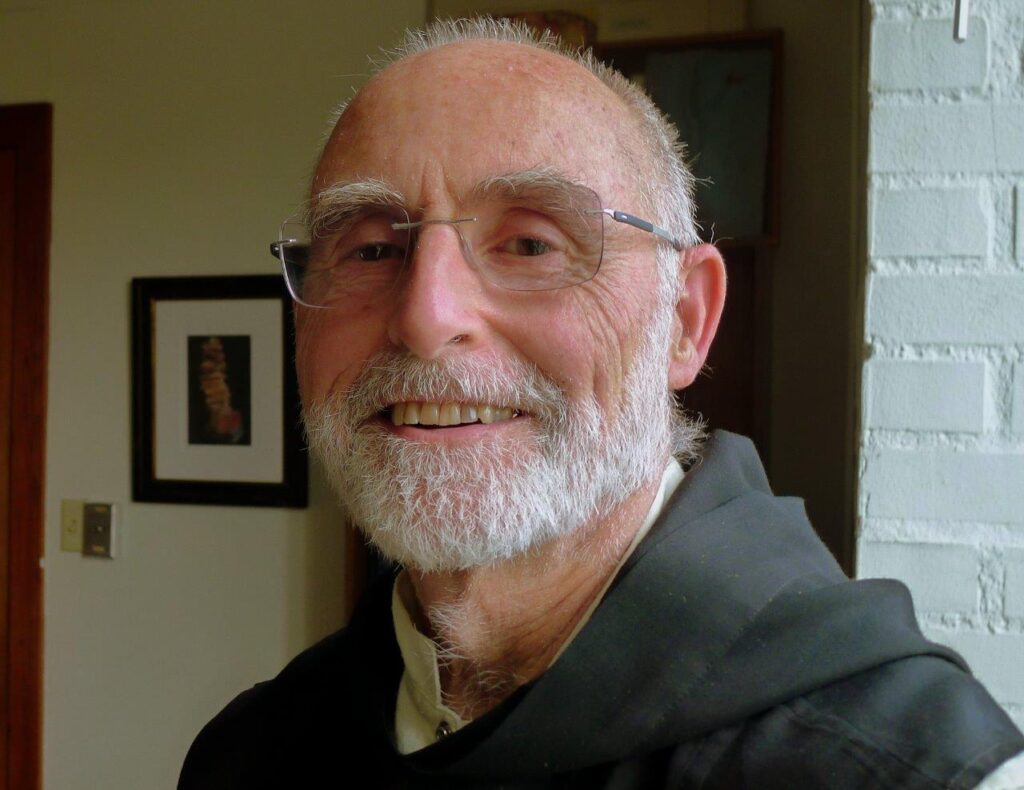
I’ve been a fan and admirer of Brother Paul Quenon’s poetry, memoir and photography. I had the rare opportunity to interview him for the Accents podcast on WUKY and ask him questions! I hope you listen!

I’ve been a fan and admirer of Brother Paul Quenon’s poetry, memoir and photography. I had the rare opportunity to interview him for the Accents podcast on WUKY and ask him questions! I hope you listen!
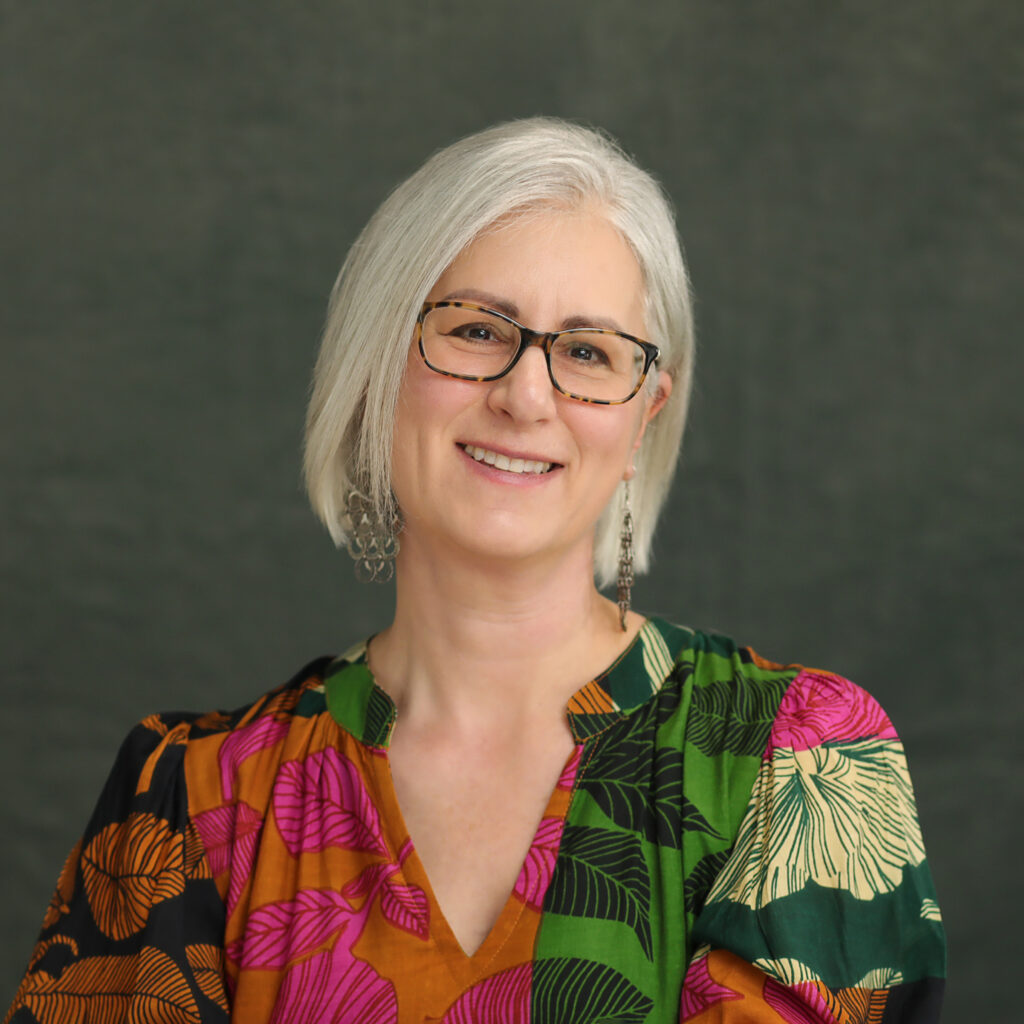
Tell us the story of your Accents Publishing book, WOE & AWE.
Katerina’s Poetry Bootcamps made me do it! I don’t know if it’s possible to develop writing skills without the constructive criticism and support of community; without Katerina’s mentorship, I’d still be looking up the meaning of fancy poetry terms like “enjambment” and “caesura” and “quatrain.” This is the story of Woe & Awe‘s unfolding—it’s voice and physical body in the world are a result of slow writing-muscle growth.
What do you like most about it?
I love how art, whatever its form, allows the-something-greater-of-life to be expressed through human beingness and is so often a balm for the ailing human spirit. When I’m struggling, making art for its own sake and spending time in nature, brings me home to myself. Woe & Awe is a raw and honest poetry memoir about hardship and healing. I really like that the work helps others to see their own stories of perseverance and the unrelenting green of hope. Yes, shit happens, but it’s not all that happens. And anyway, everyone knows that shit is fertilizer.
What did you have to overcome in order to finish and publish a book?
I overcame the inner critic, some poetry craft learning curves, and then several vulnerability hangovers after it was published.
What do you hope people learn/receive/experience from reading your book?
Here’s my sincere-corny-effective response to this question: I hope readers are encouraged to look at their own stories as interesting chapters so far—whatever the details—and realize that what comes next is yet to be written. Write it.
What was your favorite interaction with a reader and/or a fan?
I find the microphone intimidating and have felt supported throughout Kentucky, promoting the book. I had my first drunk-heckler last year and he yelled things like: “Yah! You tell it like it is, girl!” and “That’s what I’m talkin’ ’bout!”, and I hope this will happen to me at least once a year from now on.
What are you working on now? Catch us up one significant event in your life since the publication of WOE & AWE.
It was both the Accents Poetry Bootcamp 2023, and the Appalachian Writer’s Workshop 2023, that made me realize I want to formally learn what I don’t know that I don’t know about poetry, so I applied to the MFA program at Spalding in Louisville, and graduated in November 2025. My first book is full of Bootcamp and first semester work; my graduating thesis is a second poetry collection (still evolving). Through a grant from the Kentucky Foundation for Women, I facilitate art-making and poetry-writing in under-resourced communities of women in Kentucky; I‘m certain that Woe & Awe and my MFA credential have helped open that door.
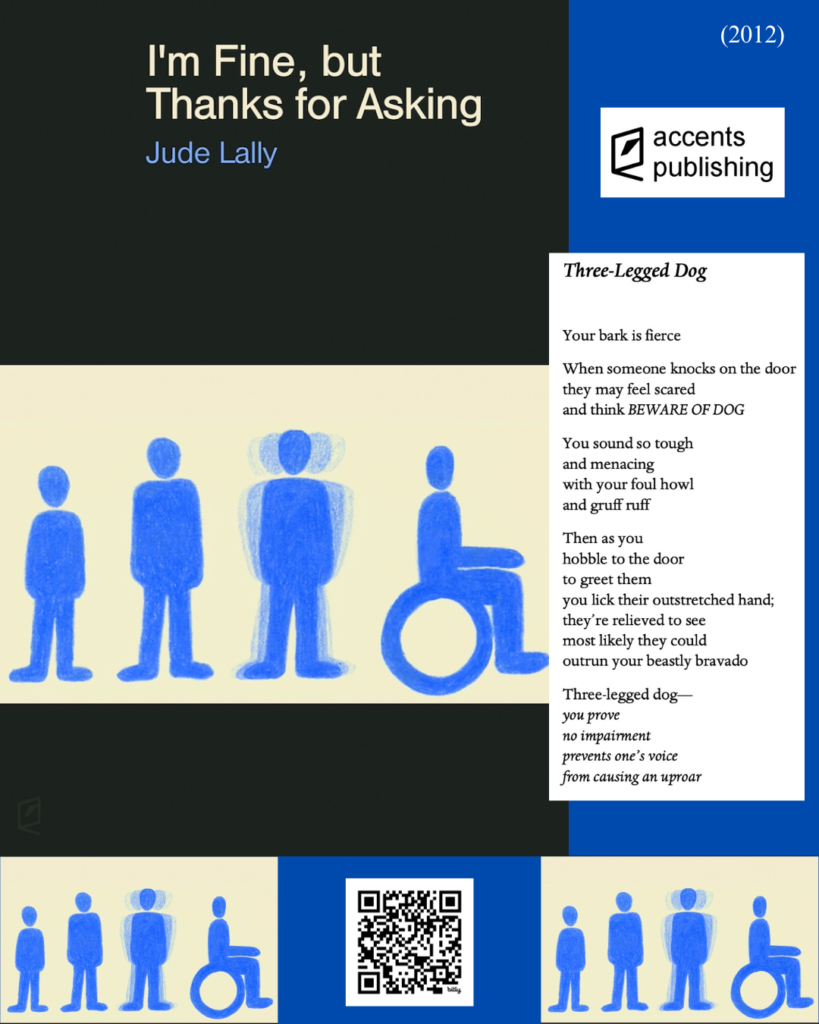
I’M FINE, BUT THANKS FOR ASKING by Jude Lally
Accents Publishing, 2012
https://www.accents-publishing.com/imfinebutthanks.html
Image design by Wendy Jett
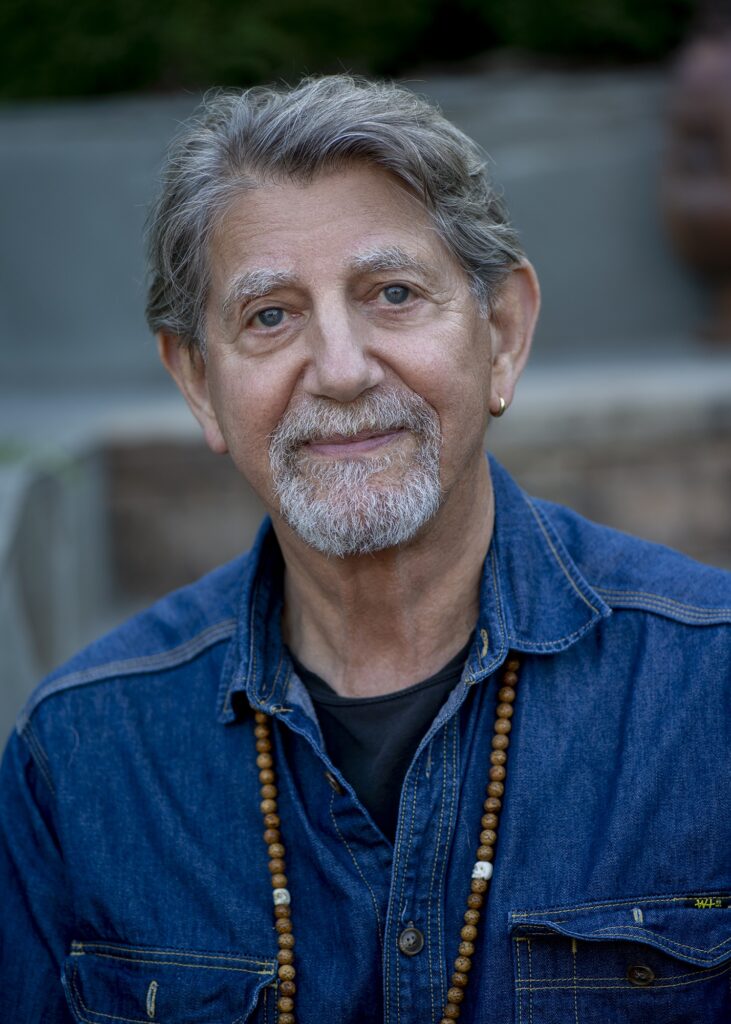
Actor/Diriector/Narrator/Writer Peter Coyote and Katerina Stoykova had a chance to record a conversation for the Accents podcast on WUKY.
In this interview you will hear Peter read a few poems from his upcoming book, talk about becoming a Buddhist priest, living the life of a curious person, and more.
Listen here.
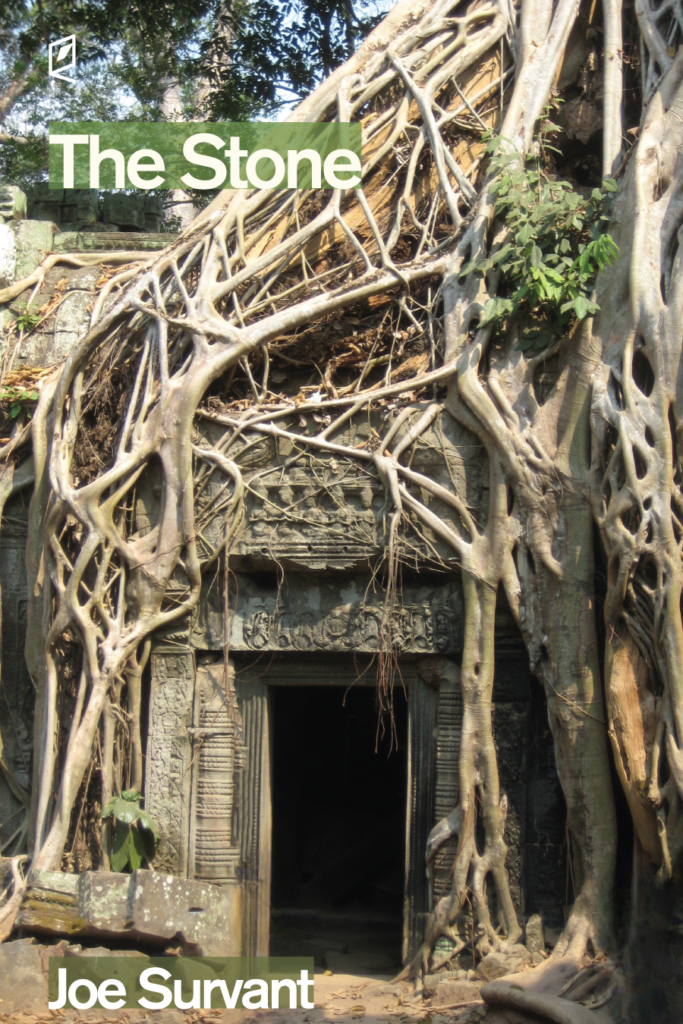
Accents Publishing is proud to present The Stone by accomplished poet Joe Survant. Reading these new and selected poems is a form of travel, a spiritual experience, a pilgrimage to visible and invisible worlds. We hope you enjoy this book.
The Stone ships within days and currently the entire Accents Publishing catalog is on 30% off sale.
The Stone: New and Selected Poems from Asia is another gift from Joe Survant’s treasury. I urge you to read this book.
—Peter Coyote, Author, actor, Zen Buddhist Priest
Like snow falling in the rainforest, these poems are surprising, mysterious. They startle with images both strange and familiar, and let us travel to new places in both the world and the heart.
—Kim Edwards, author of The Memory Keeper’s Daughter
These poems offer a new dialect to the truths of suffering and spiritual transcendence that are at root our universal human language.
—Richard Taylor, author of Fathers
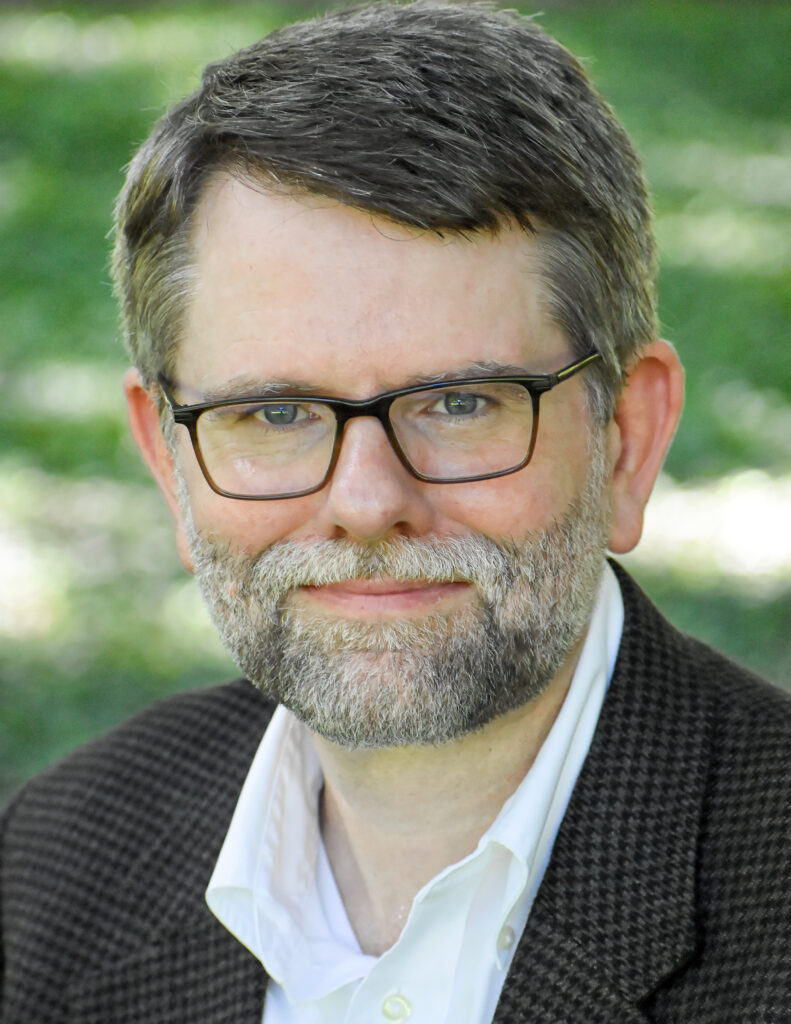
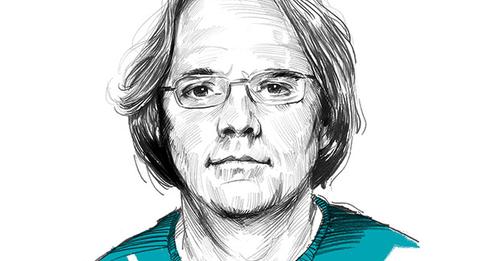
Katerina Stoykova had a conversation with poet Bill Verble about his debut poetry collection, Absence Descending, out from Broadstone Books! Listen to this episode of the Accents podcast on WUKY.
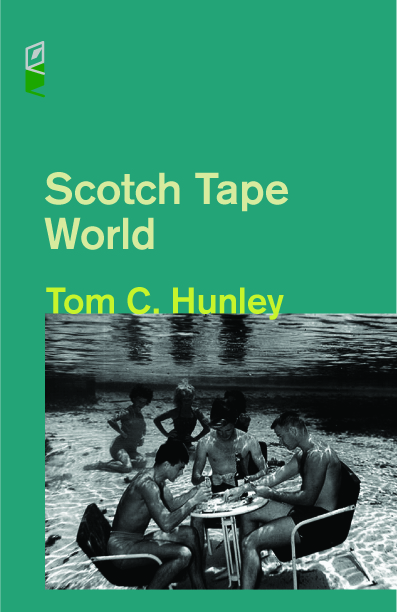
Tell us the story of your Accents Publishing book, Scotch Tape World.
When the book came out, my sons were ten, eight, and six years old, respectively. The title poem is about a theme park I invented, kind of a counter to Disney, where kids go to learn hard truths about the world. Arguably the best poem in the book, “Confessions of a Failed Beatnik,” is about how my domestic life forced me to confront and revise my ideas about poetry. The question was whether I could still be a poet while raising kids in the suburbs and holding down a job, when I grew up reading and idolizing bearded, barefoot, urban poets.
What do you like most about it?
The book helped me work through the personal crisis that I described in answer to your first question. Could I still be a poet, even after pursuing a different life than the kind lived by many of my poetic role models? If so, what would that look like? The answer came in the form of these poems. Yes, I could still write poetry, and yes, poetry has the power to keep shapeshifting and surprising me enough to sustain my continued interest in it.
What did you have to overcome in order to finish and publish a book?
I had small kids, so I had to overcome legos on the floor, IEP meetings at school, nightmares (my kids’ and my own), sleeplessness, and constant interruptions and distractions.
What do you hope people learn/receive/experience from reading your book?
An escape from the great Godzilla, and a return to Eden.
What was your favorite interaction with a reader and/or a fan?
I’ve been interviewed by creative writing students at various universities. They always ask me questions that make me think about things from new angles. Also, one time I got to meet with a book club in Atlanta that had read and discussed my book. What an honor that was! I would love to see more book clubs exploring contemporary poetry.
What are you working on now? Catch us up one significant event in your life since the publication of Scotch Tape World.
The year Scotch Tape World was published, my eldest son was diagnosed with autism. Then three years later, my wife and I adopted our daughter, aged 16 ½ at the time, from state foster care. Those experiences became the basis for my chapbook, Adjusting to the Lights, which won the Rattle Chapbook Prize in 2020. That year I started branching out into screenplays, two of which got produced. Now I’m working on a novel (or novella) and a memoir.
Optional bonus question: Is there anything you want to get off your chest about writing or publishing?
I’m not a fan of sensitivity readers, who are really paid censors. I can’t work with publishers who push authors to make market-driven decisions. The only writing that I care about is literary and artistic. The important thing, for me, is to maintain what Stephen Crane called “integrity of personal vision.”
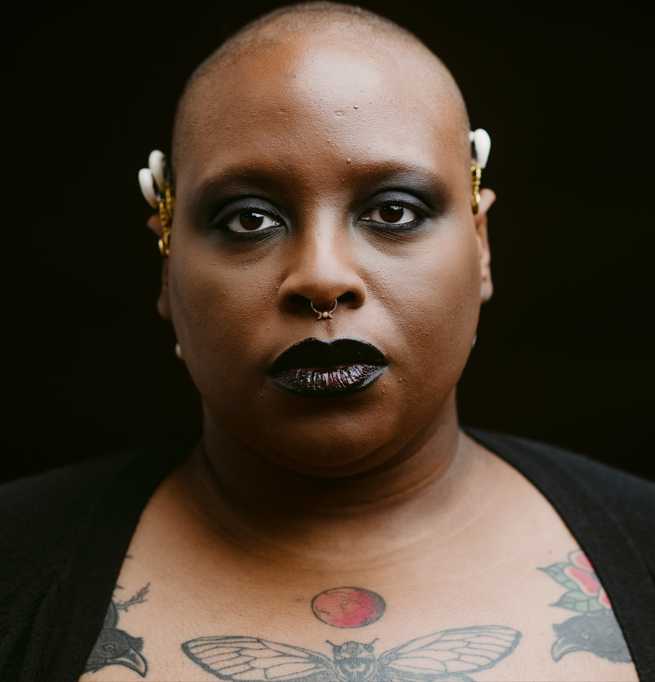
I had the privilege of interviewing Ensoulment Doula Samar Johnson about their debut poetry collection and other topics. If you have 33 minutes, listen to our conversation!
Listen here.
Grateful to poet Curtis L. Crisler for reading for us three poems from his Accents Publishing chapbook, Black Achilles (2015). What a treat!