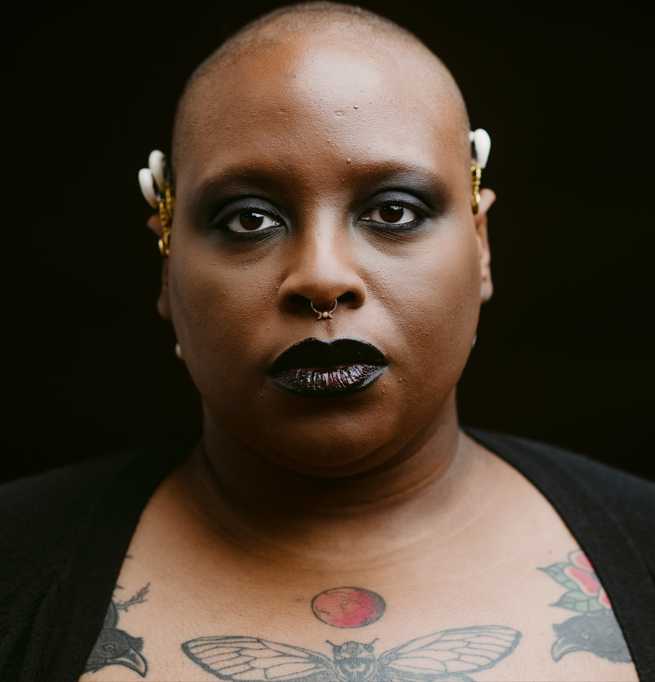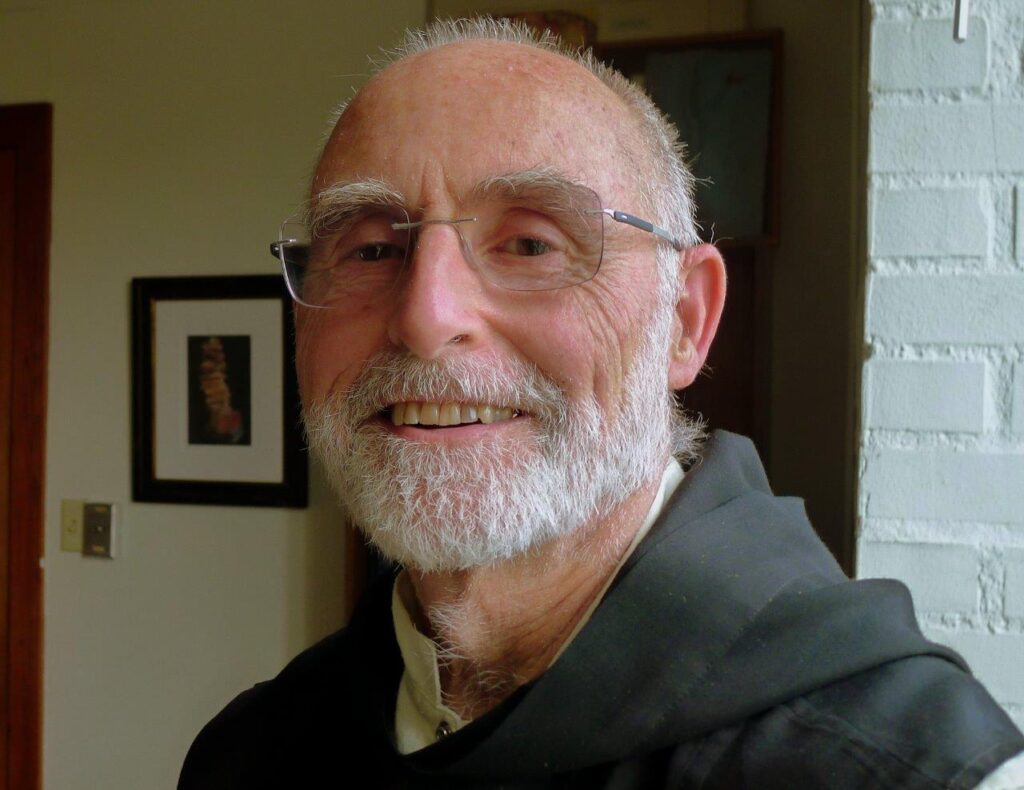
I’ve been a fan and admirer of Brother Paul Quenon’s poetry, memoir and photography. I had the rare opportunity to interview him for the Accents podcast on WUKY and ask him questions! I hope you listen!

I’ve been a fan and admirer of Brother Paul Quenon’s poetry, memoir and photography. I had the rare opportunity to interview him for the Accents podcast on WUKY and ask him questions! I hope you listen!
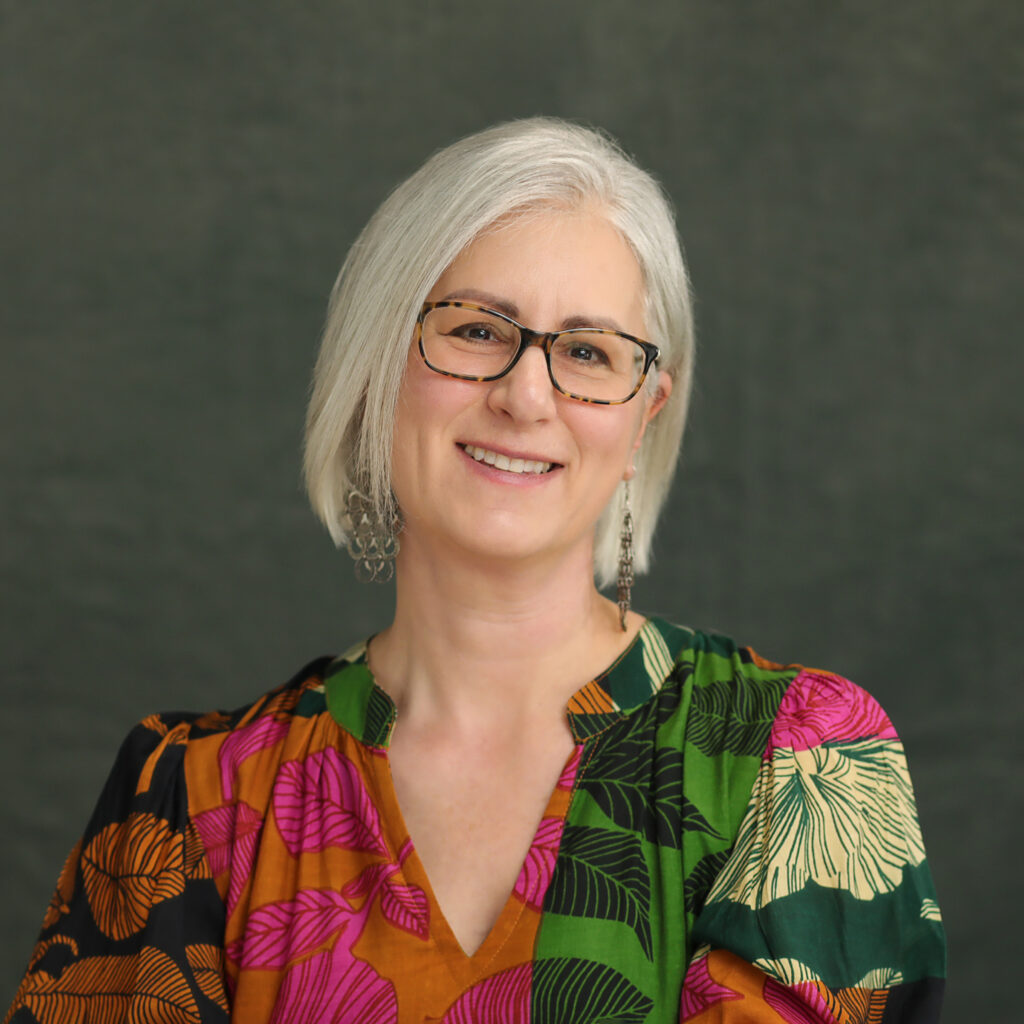
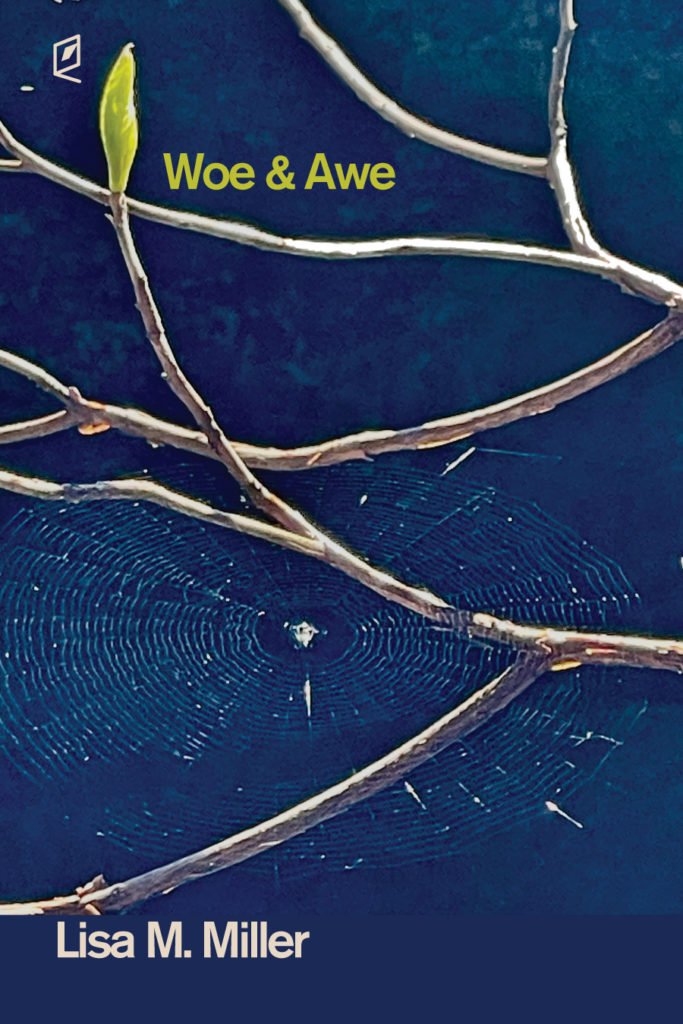
Tell us the story of your Accents Publishing book, WOE & AWE.
Katerina’s Poetry Bootcamps made me do it! I don’t know if it’s possible to develop writing skills without the constructive criticism and support of community; without Katerina’s mentorship, I’d still be looking up the meaning of fancy poetry terms like “enjambment” and “caesura” and “quatrain.” This is the story of Woe & Awe‘s unfolding—it’s voice and physical body in the world are a result of slow writing-muscle growth.
What do you like most about it?
I love how art, whatever its form, allows the-something-greater-of-life to be expressed through human beingness and is so often a balm for the ailing human spirit. When I’m struggling, making art for its own sake and spending time in nature, brings me home to myself. Woe & Awe is a raw and honest poetry memoir about hardship and healing. I really like that the work helps others to see their own stories of perseverance and the unrelenting green of hope. Yes, shit happens, but it’s not all that happens. And anyway, everyone knows that shit is fertilizer.
What did you have to overcome in order to finish and publish a book?
I overcame the inner critic, some poetry craft learning curves, and then several vulnerability hangovers after it was published.
What do you hope people learn/receive/experience from reading your book?
Here’s my sincere-corny-effective response to this question: I hope readers are encouraged to look at their own stories as interesting chapters so far—whatever the details—and realize that what comes next is yet to be written. Write it.
What was your favorite interaction with a reader and/or a fan?
I find the microphone intimidating and have felt supported throughout Kentucky, promoting the book. I had my first drunk-heckler last year and he yelled things like: “Yah! You tell it like it is, girl!” and “That’s what I’m talkin’ ’bout!”, and I hope this will happen to me at least once a year from now on.
What are you working on now? Catch us up one significant event in your life since the publication of WOE & AWE.
It was both the Accents Poetry Bootcamp 2023, and the Appalachian Writer’s Workshop 2023, that made me realize I want to formally learn what I don’t know that I don’t know about poetry, so I applied to the MFA program at Spalding in Louisville, and graduated in November 2025. My first book is full of Bootcamp and first semester work; my graduating thesis is a second poetry collection (still evolving). Through a grant from the Kentucky Foundation for Women, I facilitate art-making and poetry-writing in under-resourced communities of women in Kentucky; I‘m certain that Woe & Awe and my MFA credential have helped open that door.
Author Abigail Keam and Accents Publishing founder Katerina Stoykova had great time talking about Abigail’s books, her love of history and of course, bees! We hope you listen to this episode of the Accents podcast on WUKY!
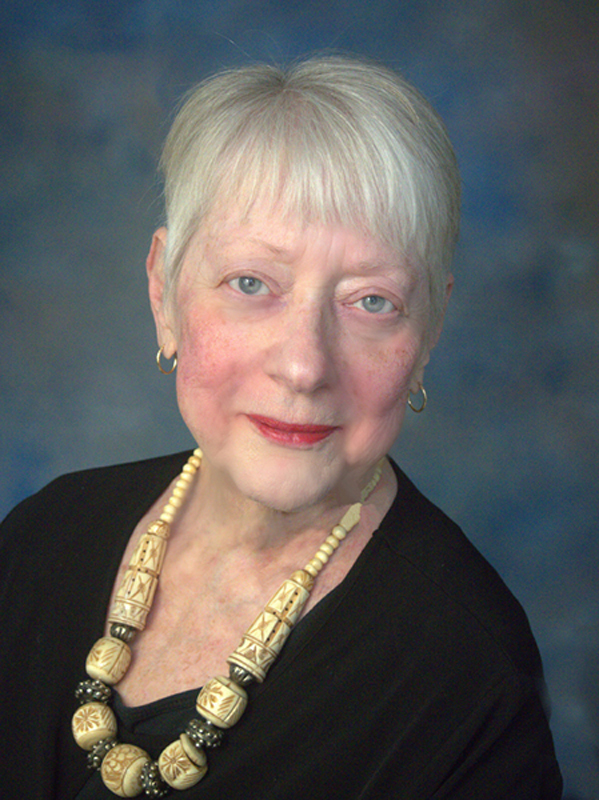
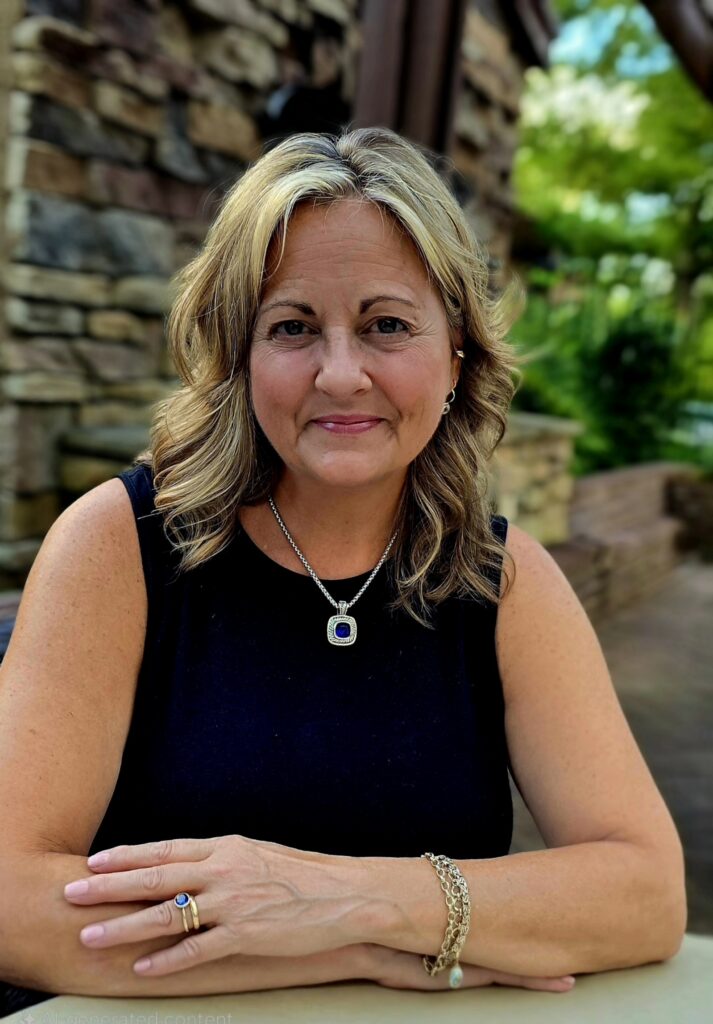
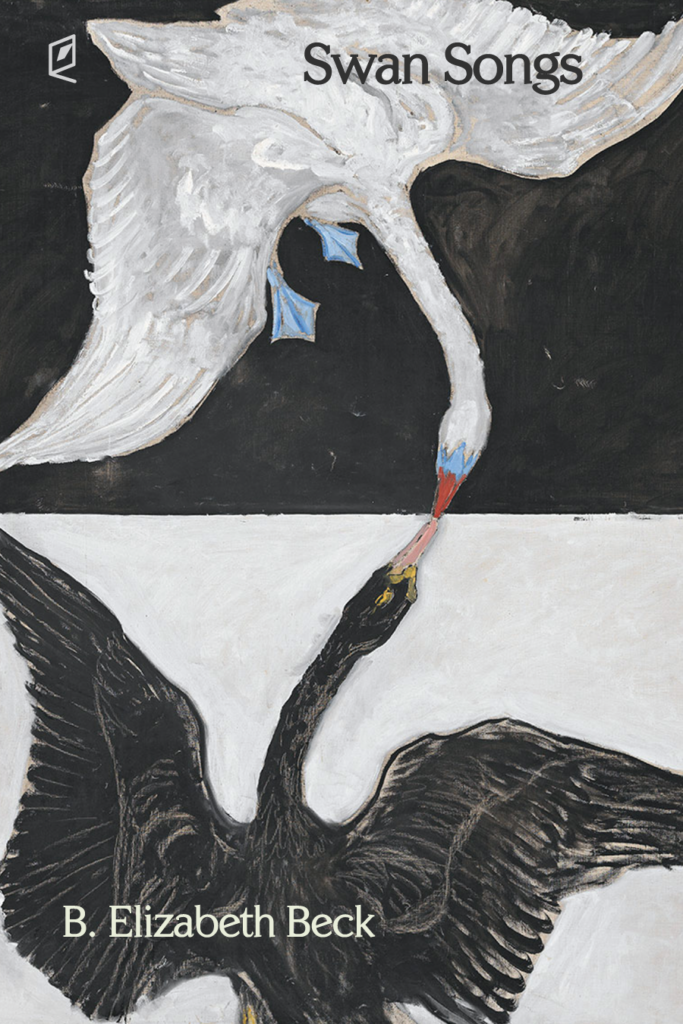
Tell us the story of your Accents Publishing book, SWAN SONGS.
Swan Songs was originally a braided manuscript, weaving poetry and stories. I submitted it to Katerina, who liked the stories to stand alone. She and I worked to edit and polish the stories for publication. In the meanwhile, I submitted the poems to Rabbit House Press, who published them in a collection called Dancing on the Page. I feel very fortunate both publishers trusted my work and did such a wonderful job with the books.
What do you like most about it?
Swan Songs is a feminist collection. The stories detail women’s relationships with themselves and others and are political in nature. Each story is framed by a musical artist. The stories are not about the artists, they work as a framing structure and extended metaphor. It was such a delight to research the music to write the stories.
What did you have to overcome in order to finish and publish a book?
Managing time and committing to a manuscript takes dedication. My books evolve over years. Some were written within months, but the editing process takes years, careful consideration, and excellent editors like Katerina Stoykova to be ready to land in readers’ hands.
What do you hope people learn/receive/experience from reading your book?
I hope that women readers experience that nod of recognition in the authenticity of the stories. I hope that music fans enjoy the way I weave music within the text. And I expect that Phish fans find the Easter Eggs in the collection.
What was your favorite interaction with a reader and/or a fan?
I always feel honored when readers send/post reader pictures. What a delight to see my books in the world.
What are you working on now? Catch us up one significant event in your life since the publication of SWAN SONGS.
I am working on a collection of essays about cooking. I’m in the research phase, offering a writing workshop at the Carnegie Center this spring called: Culinary Love Letter to inspire me to shape my essays with recipes. I’m not sure where it is going, but I’m enjoying the process. I’m still engaged in Ekphrastic Writing and am excited to offer Ekphrastic workshops in January through Accents Publishing and the Carnegie Center as well as workshops offered through the Kentucky Humanities Speakers Bureau.
Is there anything you want to get off your chest about writing or publishing?
The publishing world can be demoralizing so connecting with a writing community is very important. I’m so proud of my monthly poetry series, Poetry at the Table at Kenwick Table. 2026 marks the third year of this series and the community that has developed is incredibly valuable to me. I am proud to report that I have all the features booked for 2026 and can’t wait to meet each month for the inspiration the series provides.
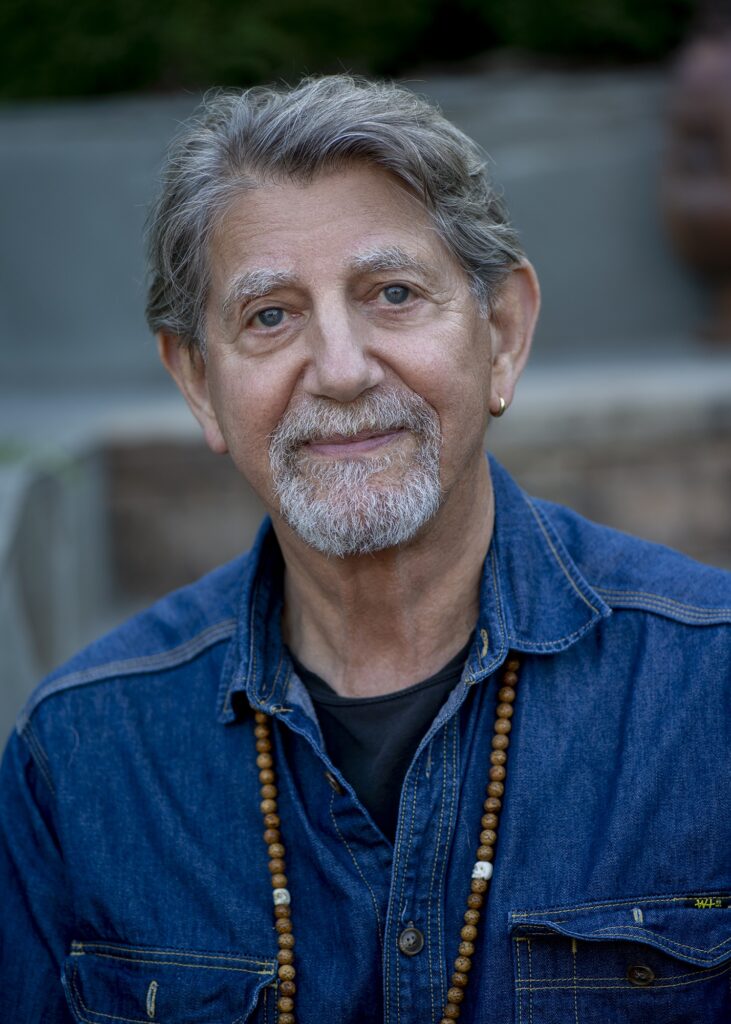
Actor/Diriector/Narrator/Writer Peter Coyote and Katerina Stoykova had a chance to record a conversation for the Accents podcast on WUKY.
In this interview you will hear Peter read a few poems from his upcoming book, talk about becoming a Buddhist priest, living the life of a curious person, and more.
Listen here.
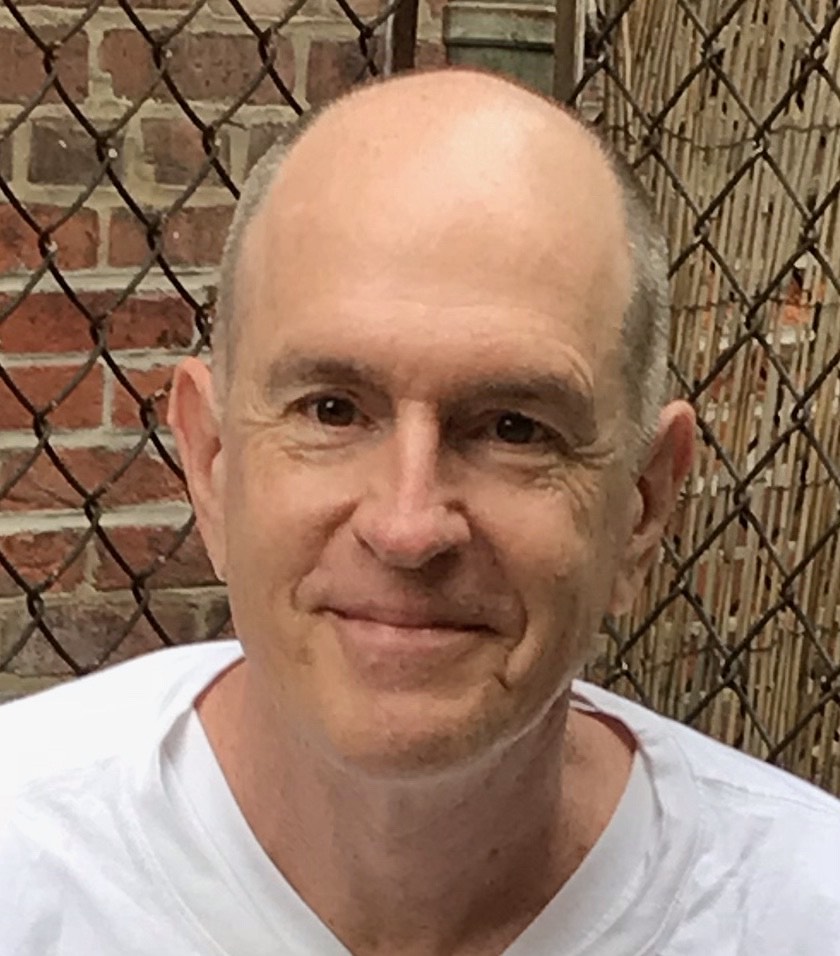
Tell us the story of your Accents Publishing book, Sirens and Rain.
Sirens and Rain is a book of haiku and senryu (haiku-like poems focusing on human nature) about life in and around Philadelphia. People, animals, trees, fountains, statues, trains, life in all forms as it reveals itself in quintessential moments. With its unique variety of human and (other) natural phenomena, I have found this city to be an ideal place to write these “sketches from life.” The poems in this book came to me over a number of years—as I walked to work, taught my classes, rode my bicycle around the Schuylkill River, and otherwise encountered city life. (Note: the word “haiku” is both singular and plural; the same is true for “senryu.”)
What do you like most about it?
I like how the book is a history, in poetry, of what life was like for my wife, my cats, and me during the years we lived near the corner of 20th and Chestnut Streets. This is the intersection shown in the photograph I took for the cover. A few of the poems were written after we moved from there to another place just around the corner.
What did you have to overcome in order to finish and publish a book?
By the time I began working on the manuscript that became Sirens and Rain, I had plenty of haiku and senryu that could have conceivably been included. So the challenge was to select and arrange the best poems, or the best combination of poems, for the effect I wanted. Organizing by seasons helped; that way I could break the poems into five separate sequences (the four seasons plus a fifth chapter for late summer through early fall). In arranging the poems, I tried to juxtapose nature poems and people poems that played off one another in interesting ways. This entailed many rounds of revisions. You might say that the actual composing of the book was a matter of moving 3 X 5 cards around over and over again.
What do you hope people learn/receive/experience from reading your book?
As with haiku and senryu generally, I hope the poems in this book make readers more keenly, and in most cases more pleasurably, aware of what they encounter moment by moment in life. One of the best effects poems like these can have is to evoke for the reader a thought-feeling like, “Oh, I’ve had that experience—or seen that sight—a hundred times, but before never noticed it in all its beauty and wonder.” Or humor and charm, as the case might be.
What was your favorite interaction with a reader and/or a fan?
Because haiku and senryu can appeal so readily not only to poets and poetry enthusiasts but to folks who don’t often read poetry, I am always gratified when I learn that my brother-in-law, neighbor, landlord’s son, or high school Facebook friend “gets” and likes my poems. As for a specific interaction, I had an especially fulfilling one last fall when I visited a class that was reading Sirens and Rain as an assigned text for their Community College of Philadelphia literature course. Owing probably in no small part to how well their professor had guided their week-long study of my book, I found the students extremely engaged in and curious about writing haiku. They asked incisive questions. Then, in a kind of workshop format, I went around the room helping them with the short collections they were assigned to write. Almost to a person, perhaps TO a person, they were writing original haiku about subjects that mattered to them. As I left the classroom, literally, I felt a chill go down my spine. We had given a lot to one another.
What are you working on now? Catch us up one significant event in your life since the publication of Sirens and Rain.
The most significant recent event in my writing life is that I just finished the manuscript that is the successor to Sirens and Rain. Entitled “Unofficial Portraits,” it consists of haiku and senryu that portray people by focusing on a moment or detail that is especially revealing about each person’s character. As with Sirens and Rain, the subjects span a range of settings, including work, education, neighbors, law and politics, sports, and family.
Optional bonus question: Is there anything you want to get off your chest about writing or publishing?
Why aren’t haiku about sports (other than baseball) more widely appreciated? Not a particularly pressing question but a pet peeve of mine.
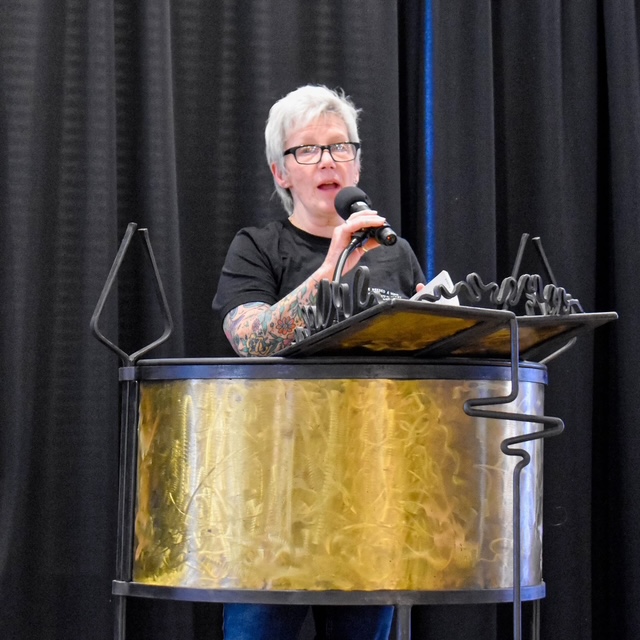
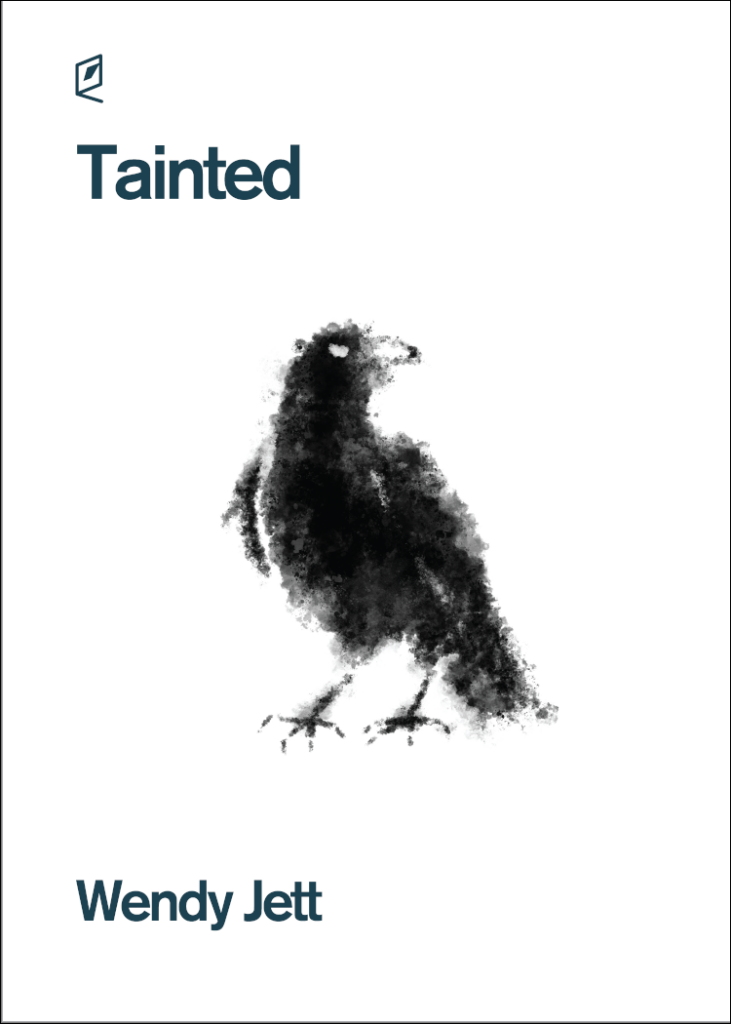
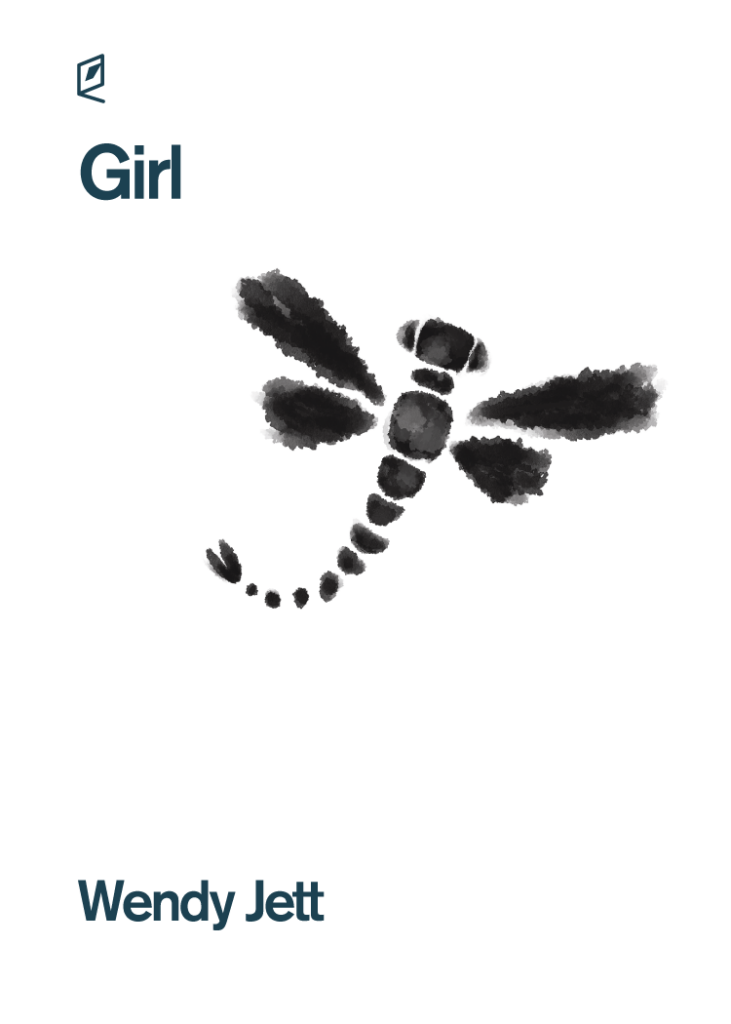
Tell us the story of your Accents Publishing trilogy, WOMAN, TAINTED, and GIRL.
Girl found me when I was attending the Carnegie Center’s Author Academy. She followed me on my walks, told me her story and I wrote it down! It has changed my life in so many positive ways. Katerina challenged me to continue to listen to Girl to see if she had more to say, so Tainted and Woman arrived!
What do you like most about it? Girl’s story is really about resilience! Which I think is so important in life. I think that’s why many people find her story to be hearbreaking and inspiring at the same time.
What did you have to overcome in order to finish and publish a book?
Self doubt. The struggle is real. Once I realized that all I had to do was listen to Girl, it became easier.
What do you hope people learn/receive/experience from reading your book?
I hope that people see themselves in Girl. Her story is universal even though the specifics may be a bit different. She is us, we are her. We can all be resilient, courageous, faithful and positive.
What was your favorite interaction with a reader and/or a fan?
I have been blessed with many positive interactions with those who have read Girl’s story. It has been such a humbling, impactful experience. I have met so many wonderful people through the entire experience. It has also reconnected me with family and friends of long ago!
What are you working on now? Catch us up one significant event in your life since the publications of WOMAN, TAINTED, and GIRL.
I am doing my best to continue to write new stories, poems and whatever pops into my head, although I must admit, Girl is still in my ear. She walks my dog with me daily. So I guess I’ve made a life long connection with her. Who knows where she will take me next. I am looking forward to the adventure.
Optional bonus question: Is there anything you want to get off your chest about writing or publishing?
I can only speak for myself, but I’ve found it very liberating to write and put my words out into the world, and own them. Everyone’s voice deserves to be heard. Oh what a choir we become when we all speak up!
Katerina Stoykova had a conversation with poet Bill Verble about his debut poetry collection, Absence Descending, out from Broadstone Books! Listen to this episode of the Accents podcast on WUKY.
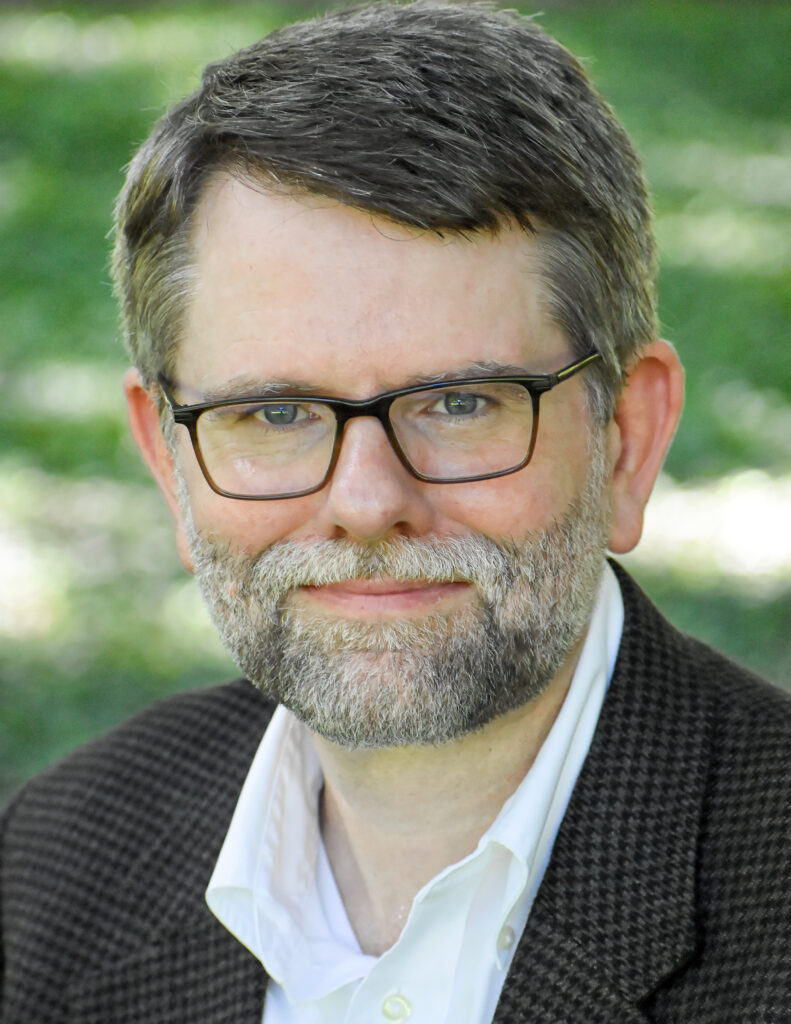
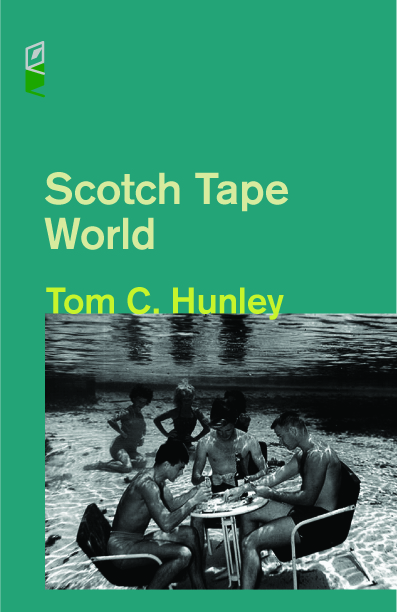
Tell us the story of your Accents Publishing book, Scotch Tape World.
When the book came out, my sons were ten, eight, and six years old, respectively. The title poem is about a theme park I invented, kind of a counter to Disney, where kids go to learn hard truths about the world. Arguably the best poem in the book, “Confessions of a Failed Beatnik,” is about how my domestic life forced me to confront and revise my ideas about poetry. The question was whether I could still be a poet while raising kids in the suburbs and holding down a job, when I grew up reading and idolizing bearded, barefoot, urban poets.
What do you like most about it?
The book helped me work through the personal crisis that I described in answer to your first question. Could I still be a poet, even after pursuing a different life than the kind lived by many of my poetic role models? If so, what would that look like? The answer came in the form of these poems. Yes, I could still write poetry, and yes, poetry has the power to keep shapeshifting and surprising me enough to sustain my continued interest in it.
What did you have to overcome in order to finish and publish a book?
I had small kids, so I had to overcome legos on the floor, IEP meetings at school, nightmares (my kids’ and my own), sleeplessness, and constant interruptions and distractions.
What do you hope people learn/receive/experience from reading your book?
An escape from the great Godzilla, and a return to Eden.
What was your favorite interaction with a reader and/or a fan?
I’ve been interviewed by creative writing students at various universities. They always ask me questions that make me think about things from new angles. Also, one time I got to meet with a book club in Atlanta that had read and discussed my book. What an honor that was! I would love to see more book clubs exploring contemporary poetry.
What are you working on now? Catch us up one significant event in your life since the publication of Scotch Tape World.
The year Scotch Tape World was published, my eldest son was diagnosed with autism. Then three years later, my wife and I adopted our daughter, aged 16 ½ at the time, from state foster care. Those experiences became the basis for my chapbook, Adjusting to the Lights, which won the Rattle Chapbook Prize in 2020. That year I started branching out into screenplays, two of which got produced. Now I’m working on a novel (or novella) and a memoir.
Optional bonus question: Is there anything you want to get off your chest about writing or publishing?
I’m not a fan of sensitivity readers, who are really paid censors. I can’t work with publishers who push authors to make market-driven decisions. The only writing that I care about is literary and artistic. The important thing, for me, is to maintain what Stephen Crane called “integrity of personal vision.”
I had the privilege of interviewing Ensoulment Doula Samar Johnson about their debut poetry collection and other topics. If you have 33 minutes, listen to our conversation!
Listen here.